
Troubleshooting
Posting too much online can expose you to serious risks that extend beyond just embarrassment. These 10 dangers of oversharing on social media reveal how your personal details can be weaponized against you—from identity theft to workplace consequences.
Identity Theft Through Personal Details
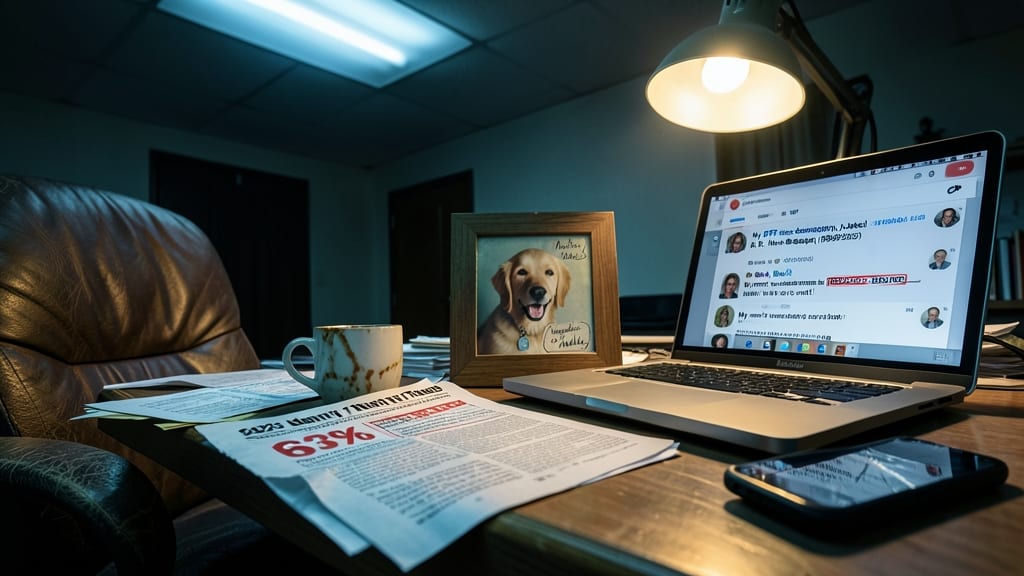
Your childhood best friend’s name, your first pet’s breed, and your mom’s maiden name aren’t just trivia—they’re the keys scammers use to crack your security questions. A 2023 FBI report found that 63% of identity theft cases start with oversharing on social media, where these details are often publicly available.
Hackers don’t need complex tools to exploit this. They cross-reference your birthday (posted on profiles), address (geotagged photos), and pet names (casual posts) to answer security questions and reset passwords. Even "private" accounts can be breached—one in four users reuse weak answers like "1234" or "password," making it trivial for scammers to guess. Financial institutions lose $56 billion annually to fraud tied to leaked personal details.
This risk isn’t just for tech novices—CEOs, freelancers, and students all fall victim when oversharing. Start by auditing your profiles for exposed details and enabling two-factor authentication on all accounts. ⚡
Location Tracking for Home Invasions
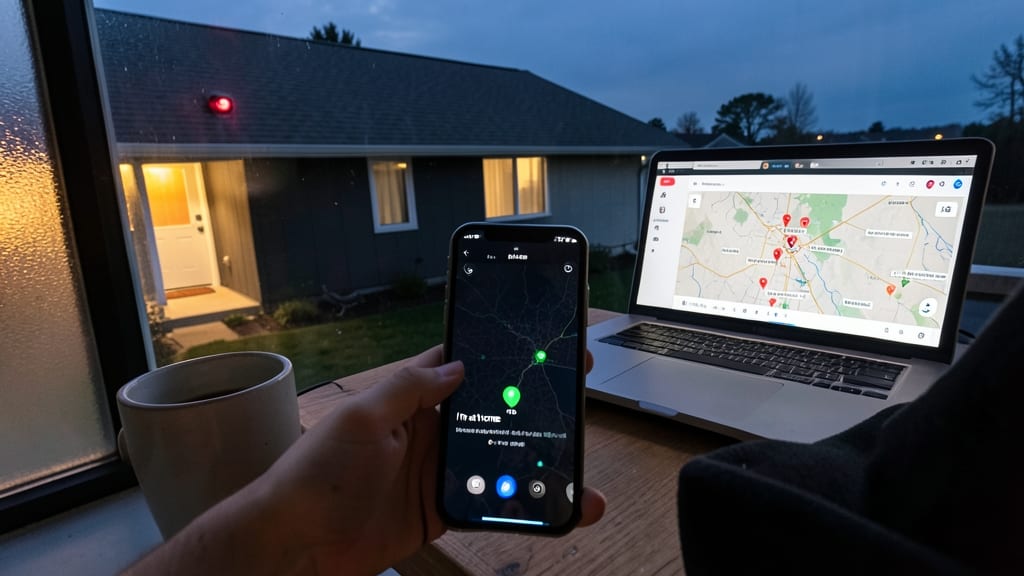
Your "I'm at home" check-in might seem harmless, but real-time geotags and automatic location sharing turn your social media into a burglar’s dream blueprint. Criminals use tools like SocialCat or Intelius to scan public posts for patterns—like your morning coffee runs or late-night vacations—pinpointing when your home is most vulnerable.
Even a single vacation post with a timestamped geotag can signal an empty house. Apps like Google Maps Timeline or Facebook’s location history store years of data, making it easy for opportunists to strike. Worse, smart home devices (like Ring doorbells) often sync location data with accounts, creating another digital footprint for criminals to exploit.
Homeowners and frequent travelers should disable location services for social apps, review device privacy settings, and avoid posting real-time updates. A simple tweak could mean the difference between a safe return and a home invasion waiting for you. 💻
Job Loss from Oversharing Politics
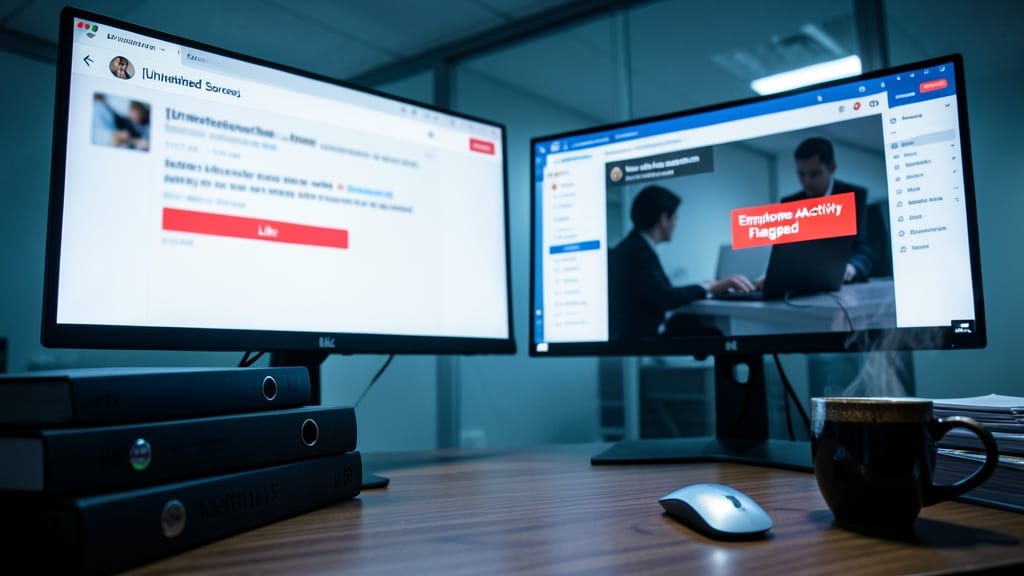
Think your LinkedIn posts are private? A single controversial political comment can resurface in HR searches, costing you promotions—or even your job. Companies now use social media monitoring tools like Brandwatch or Hootsuite Insights to track employee activity, and 70% of recruiters admit they’ve rejected candidates over offensive posts.
Even "private" accounts aren’t safe—LinkedIn’s algorithm and Facebook’s "Suggested Posts" can expose your activity to recruiters or colleagues. One viral tweet about workplace policies can trigger internal investigations, especially in conservative or progressive industries where values clash. The risk isn’t just termination: 43% of job seekers report being passed over due to social media red flags.
Freelancers and remote workers face extra scrutiny since their digital footprint is often their only professional introduction. If your career depends on client trust, a single misplaced post could derail opportunities for years. 💻
Stalking and Harassment Risks
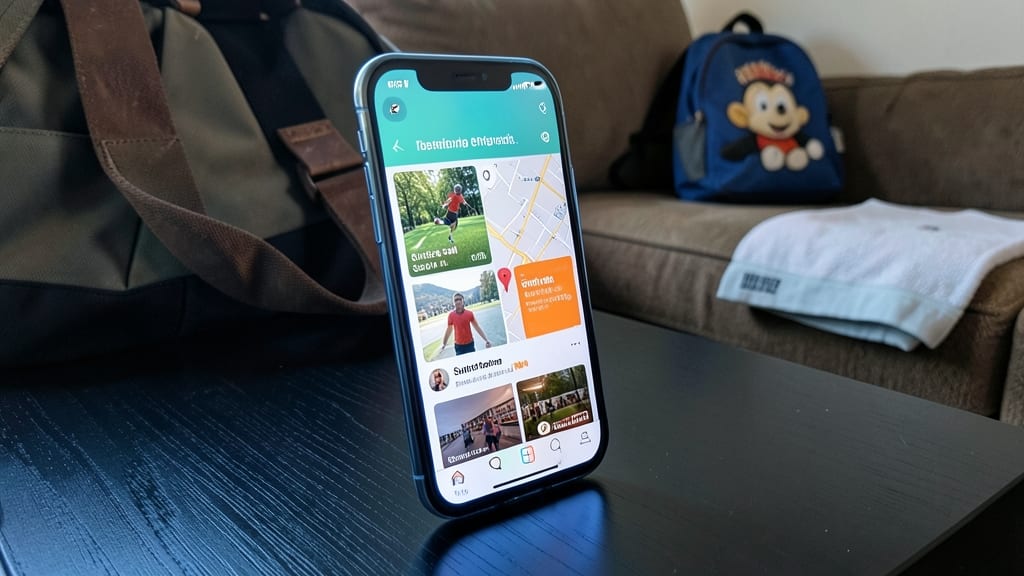
Ever post about your daily gym routine, your kid’s school schedule, or even your partner’s name? These seemingly harmless details can turn your social media into a predator’s playbook. Stalkers and harassers actively scour platforms for patterns—like your morning coffee spot, your child’s school bus route, or even your relationship status—to exploit real-world vulnerabilities.
Platforms like Instagram and Facebook often automatically tag locations in photos, while stories with time stamps reveal when you’re home alone. Even "private" posts can be scraped by malicious bots searching for relationship details (e.g., "My boyfriend’s birthday is next week!") or routine patterns (e.g., "I leave for work at 7:30 AM every day"). Criminals use this data to plan physical confrontations, cyberstalking campaigns, or even targeted harassment.
Parents, students, and professionals are especially at risk—anyone whose life follows a predictable pattern. If you’ve ever posted about your daily commute, your child’s extracurricular activities, or even your vacation plans, you’ve unknowingly left a digital trail for exploitation. 💡
Blackmail Material from Private Posts
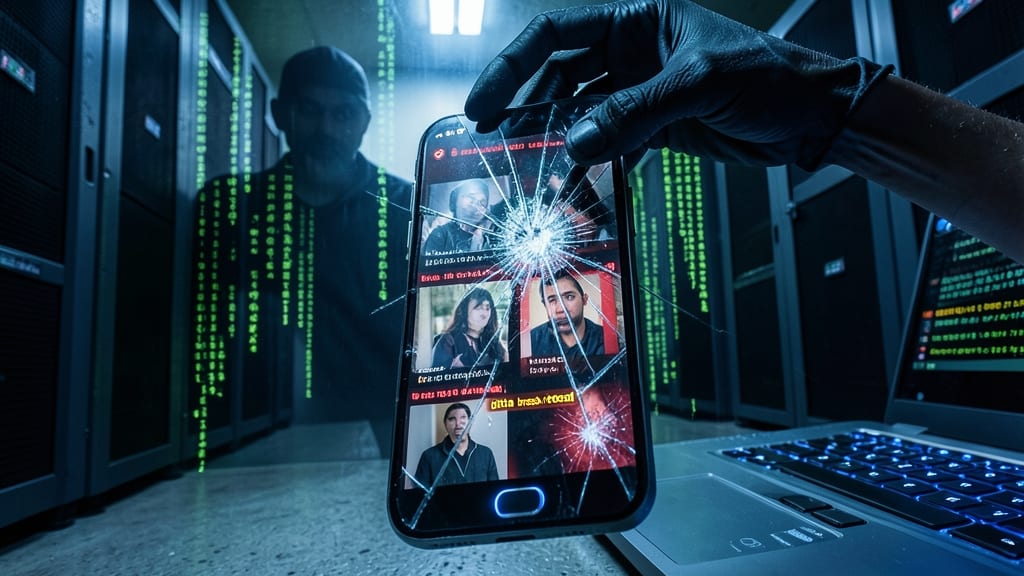
Think your "private" posts are safe? A single data breach or weak password can expose your most intimate photos or messages to scammers—or worse, an ex-partner seeking revenge. Hackers exploit vulnerabilities in platforms like Facebook, Instagram, or WhatsApp to access your private content, turning it into blackmail material.
Even with end-to-end encryption, third-party apps or phishing links can bypass protections, giving attackers access to your media library. Once obtained, these files become leverage for demands—whether it’s money, silence, or manipulation. The 2023 FBI Internet Crime Report found a 30% rise in sextortion cases tied to overshared content, proving this isn’t just a Hollywood plot.
This risk isn’t just for celebrities—anyone with compromising photos, DMs, or personal stories is vulnerable. If you’ve ever sent something you’d regret being public, take action now to audit your privacy settings and enable two-factor authentication across all accounts. 💻
Insurance Fraud Targeting Vacation Posts

That dreamy vacation photo of your empty home or new high-end gadget might seem harmless—but it’s a scammer’s treasure map. Fraudsters use posts about vacation properties or expensive purchases to file fake insurance claims, knowing you’re unlikely to notice until it’s too late.
For example, a homeowner’s insurance claim for a "burst pipe" while you’re away becomes suspicious if your social media proves you’re at a resort. Similarly, posting about a new smart TV or jewelry purchase can trigger "theft" claims targeting your address. Even seemingly innocent posts like "house-sitting for friends" can make you liable for damage claims on properties you don’t own.
Homeowners and frequent travelers are the top targets, but anyone posting about unoccupied spaces or high-value items is at risk. A quick audit of your past posts could save you from costly fraud disputes. ✨
Social Engineering Scams Using Family Info

Ever posted a sweet photo of your kid’s first day of school or your pet’s latest trick? Those details might seem harmless, but scammers use them to impersonate you or manipulate trusted contacts into transferring money. Names of children, pets, or childhood schools are gold for social engineers crafting convincing fake identities.
Scammers might call your best friend pretending to be you, citing your child’s name or a recent school event to sound authentic. Or they’ll create a fake emergency—like needing money for a "family crisis"—using details from your posts. Even a seemingly innocent mention of your child’s school or pet’s name can be enough to bypass security checks. These tactics exploit the trust people have in you and your loved ones.
Parents, pet owners, and alumni should be especially cautious—these details are often the most effective tools for scammers. Limit sharing personal family details, and never post real-time updates that could be used to verify identity claims. 🌟
Discrimination from Oversharing Health Data
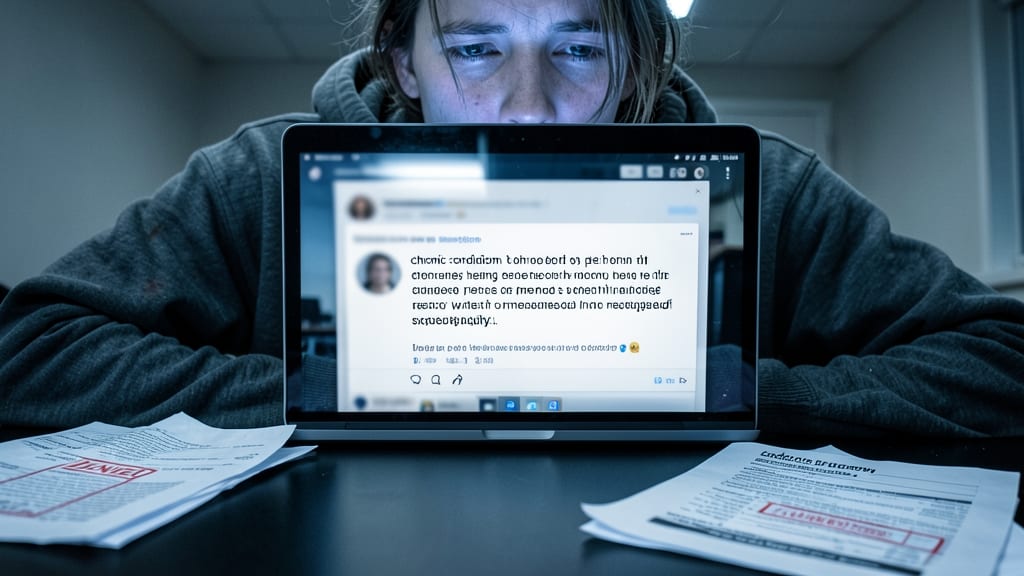
Your health status isn’t just personal—it’s powerful. A single post about a chronic condition, disability, or even mental health struggles can resurface during job applications, landlord screenings, or insurance claims, opening doors to discrimination you never expected.
Employers may assume you’ll be less productive, landlords could deny rentals, and even friends might distance themselves. Studies show 60% of people with disabilities report facing bias after sharing health details online—often unintentionally. Even "supportive" posts can be misused by algorithms or third-party data brokers selling your info to insurers or HR departments.
This risk isn’t just theoretical: ADA violations have been tied to oversharing, and some states now protect digital privacy for medical info. If you must share, use platform privacy tools (like Instagram’s "Close Friends" or Twitter’s audience controls) and avoid tagging sensitive details. 💡
Criminal Targeting Through Routine Posts
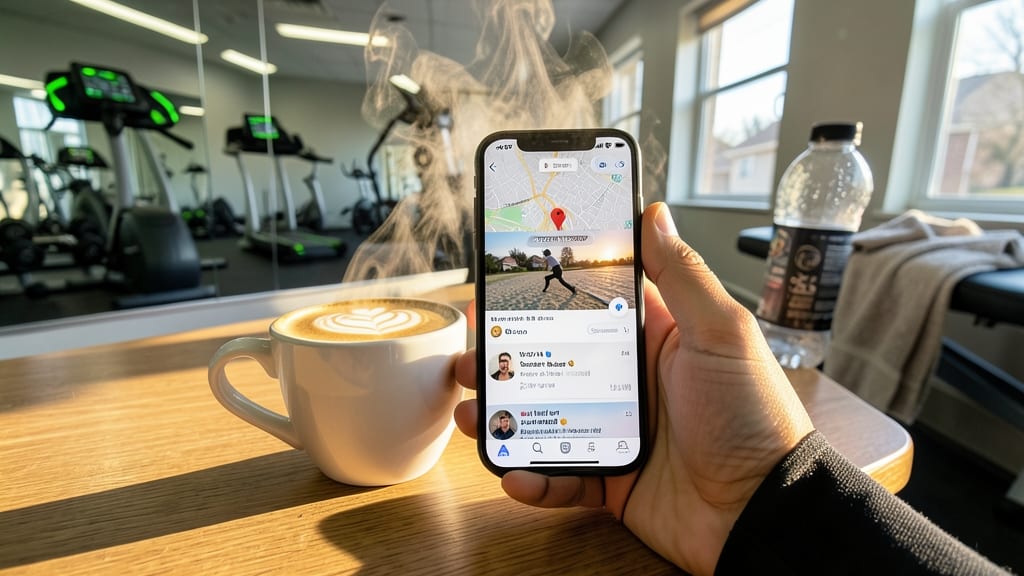
That morning coffee selfie might seem harmless, but posting your daily gym routine or weekend travel plans creates a blueprint for criminals. Predators study these patterns to time thefts, burglaries, or even more serious crimes like kidnapping—especially when posts include real-time locations or predictable schedules.
Criminals monitor social media for consistent patterns, like posting from the same coffee shop every Tuesday or announcing vacations 48 hours in advance. Even seemingly innocent updates—such as checking into the gym at 6 AM or tagging your child’s school—can signal vulnerability. Law enforcement reports confirm that routine oversharing is a top factor in opportunistic crimes, particularly in urban areas.
This risk isn’t just theoretical: parents of missing children often cite social media as a key tool used by abduction rings. If you love sharing your lifestyle, consider delaying posts or using privacy filters to obscure exact times and locations. Staying safe online starts with breaking the predictable cycle. ✨
Digital Footprint Affecting Future Opportunities
Think you’ve erased your past? Deleted posts don’t vanish forever—colleges, employers, and landlords use tools like Google search archives and Wayback Machine to dig up old social media content. A single controversial tweet or questionable photo can resurface during background checks, even years later.
Platforms like LinkedIn, Indeed, and university admissions now flag candidates with inconsistent or inflammatory online histories. A 2023 CareerBuilder survey found that 70% of employers screen candidates’ social media, while 35% of colleges review applicants’ digital footprints. Even "private" posts can be scraped by third-party sites, creating a permanent record.
Students applying to competitive programs or professionals in high-stakes fields should audit their accounts quarterly. Use tools like JustDeleteMe to remove outdated profiles and Incognito Mode for background checks. Your future self will thank you. ✨