
Tip & Trick
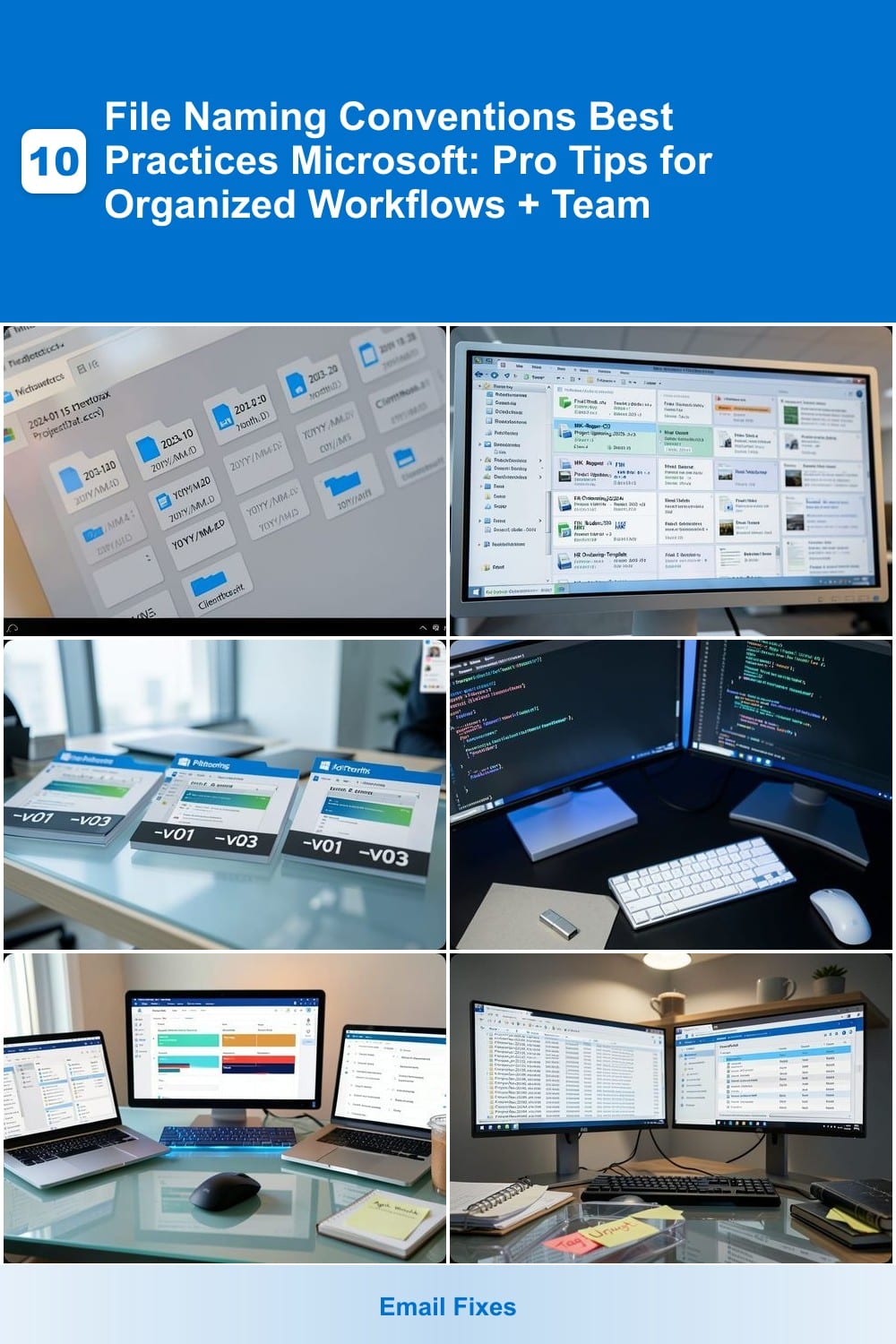
Struggling with disorganized files in Microsoft Office or Windows? Mastering file naming conventions transforms chaos into seamless workflows—boosting productivity and team collaboration. These proven strategies ensure consistency across OneDrive, SharePoint, and local drives.
Microsoft’s Official Date-Based Naming Format
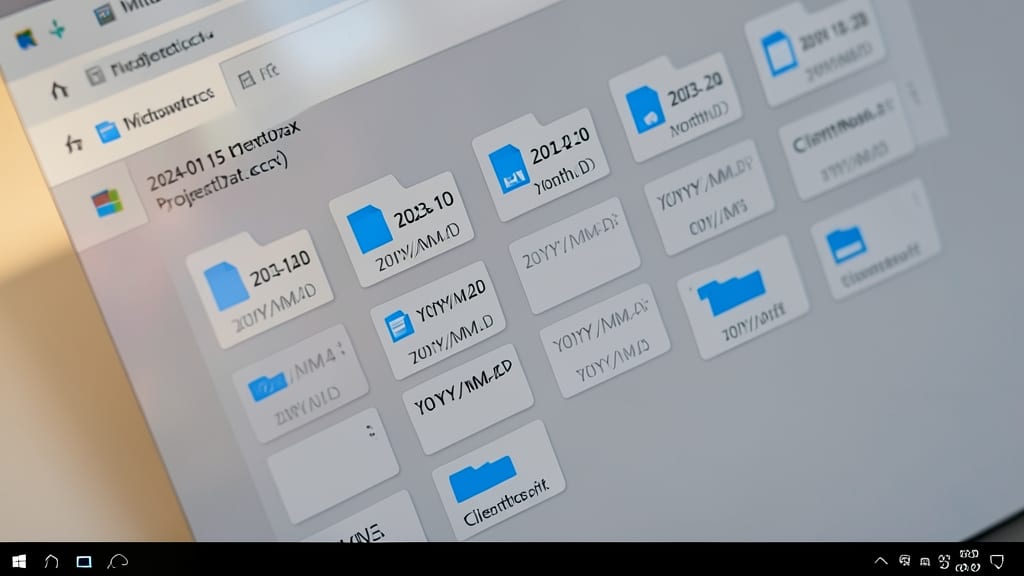
Tired of scrolling through files that refuse to sort chronologically? Microsoft’s YYYY-MM-DD date-based format solves this by leveraging Windows Explorer’s built-in sorting—no third-party tools needed. The four-digit year ensures 2024 files appear before 2025, while the two-digit month/day keeps January 1st (01-01) before January 10th (01-10).
This system integrates seamlessly with Office Suite (Word, Excel, PowerPoint) and SharePoint libraries, where date columns auto-populate from filenames. For example, "Contract_2024-05-15.docx" sorts perfectly in both local folders and cloud storage. Legal teams and financial analysts swear by it for audit trails and compliance documentation.
Perfect for industries where timestamps matter most—like contracts, invoices, or project milestones. Just avoid leading zeros (e.g., "2024-5-15" instead of "2024-05-15") for cleaner sorting in older Windows versions. ✨
Department-Specific Prefix System for Teams
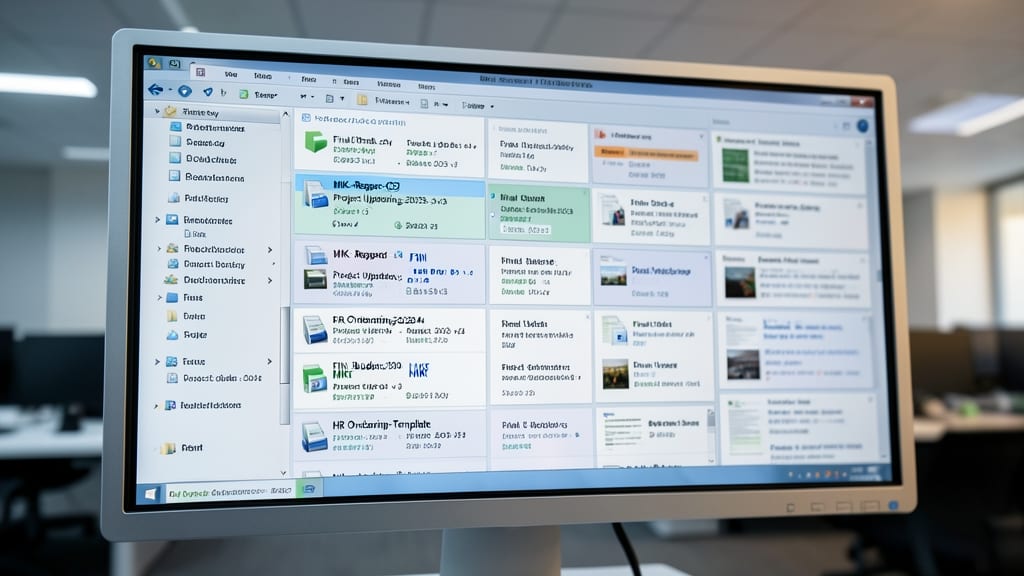
Cross-functional teams drowning in shared drives? A department-specific prefix system (like MKT-Report-Q3) instantly clarifies ownership—no more guessing who owns that "Final_Draft.docx" buried in a folder.
Use 2-4 character department codes (e.g., FIN for Finance, HR for Human Resources) followed by a hyphen and descriptive text. This works seamlessly with SharePoint libraries and OneDrive, where metadata filters can further refine searches. For example, MKT-Q3-Campaign-v2.pdf tells everyone it’s Marketing’s Q3 campaign draft—version 2.
Perfect for teams juggling multiple projects across departments. It cuts through version chaos and makes audits effortless. ✨
Version Control with Sequential Numbers

Tired of losing track of your latest PowerPoint or Excel revisions? The sequential numbering system (-v01, -v02) solves this by appending version tags directly to filenames, making it instantly clear which file is the most recent.
This method works perfectly with Microsoft’s built-in version history in Office 365, allowing you to recover lost edits or revert to earlier versions with just a few clicks. For example, naming files like Q3SalesReport-v01.xlsx and Q3SalesReport-v02.xlsx ensures no confusion during iterative updates. It’s especially useful for teams collaborating on shared drives.
Ideal for marketers, analysts, or project managers dealing with frequent revisions, this approach keeps your files organized while syncing seamlessly with OneDrive and SharePoint. ✨
Underscore Separators for Multi-Word Filenames

When scripting or automating file transfers between Windows and Linux, spaces in filenames become a silent productivity killer. Underscore separators (ProjectReportFinal.docx) eliminate parsing errors in batch scripts or PowerShell, ensuring smooth cross-platform compatibility without manual fixes.
This convention works because underscores are universally supported across operating systems and scripting languages. Unlike spaces (which require escaping in Bash or Python), underscores integrate seamlessly with tools like Git, Docker, and CI/CD pipelines. For example, rename 's/ /_/g' *.txt in Linux handles underscores natively, while Windows Command Prompt processes them without quoting.
Perfect for developers, sysadmins, or teams using PowerShell + Linux tools—this method future-proofs your workflows against environment-specific quirks. 💻
Project Phase Naming for Agile Workflows
If your team thrives on Agile sprints but struggles with file chaos, Project Phase Naming turns disorganized drafts into a structured workflow. Instead of "FinalVersion3.docx," label files by their Agile phase (e.g., DraftReviewFinal), mirroring your Trello or Microsoft Project boards. This keeps everyone aligned without extra meetings to track versions.
The system works seamlessly with Microsoft Project (via custom fields) or Trello (using labels like "Draft" or "Final"). For example, a marketing campaign file might progress from CampaignIdeaDraft to CampaignIdeaReview to CampaignIdeaFinal—matching your sprint cycles. It’s especially powerful when paired with SharePoint libraries, where phase-based filters let teams instantly find the right file version.
Perfect for product managers, UX designers, or marketing teams using Agile tools, this method cuts down on version confusion and speeds up stakeholder reviews. Try it with your next sprint—your future self will thank you. ✨
Metadata Tags for Automated Sorting
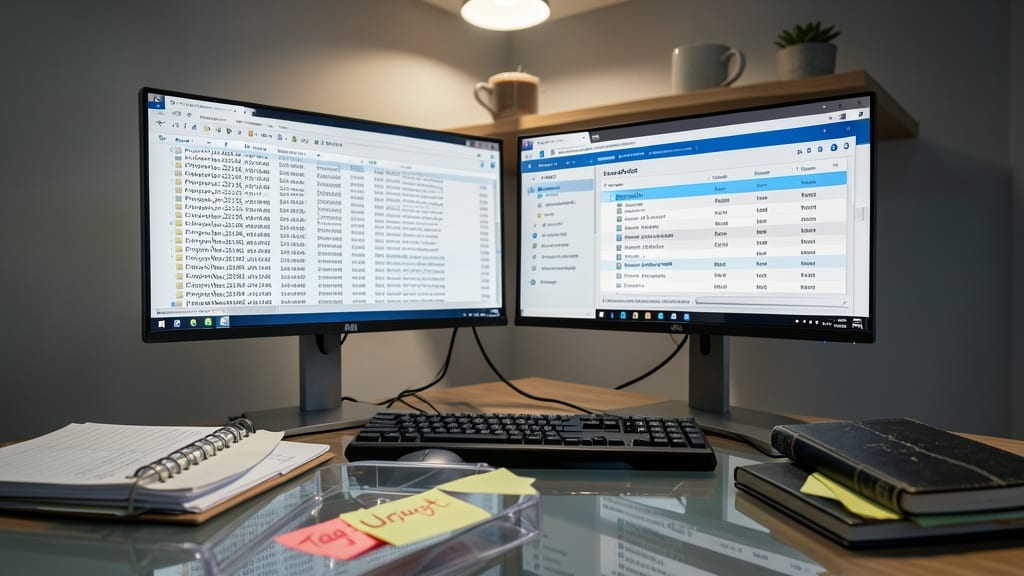
Tired of drowning in folders full of similarly named documents? Metadata tags let you skip renaming entirely by adding invisible filters like Client=ABC or Priority=High—perfect for legal teams or support staff juggling thousands of files.
Windows Search and SharePoint let you create custom columns (e.g., Department, CaseNumber) that act like searchable labels. No need to edit filenames—just apply tags once and filter instantly. For example, a SharePoint library with metadata columns can auto-sort contracts by client or deadline, saving hours weekly.
This approach shines for teams where files share names but need different categorization—like case documents or customer support tickets. ⚡
Language-Specific Suffixes for Global Teams
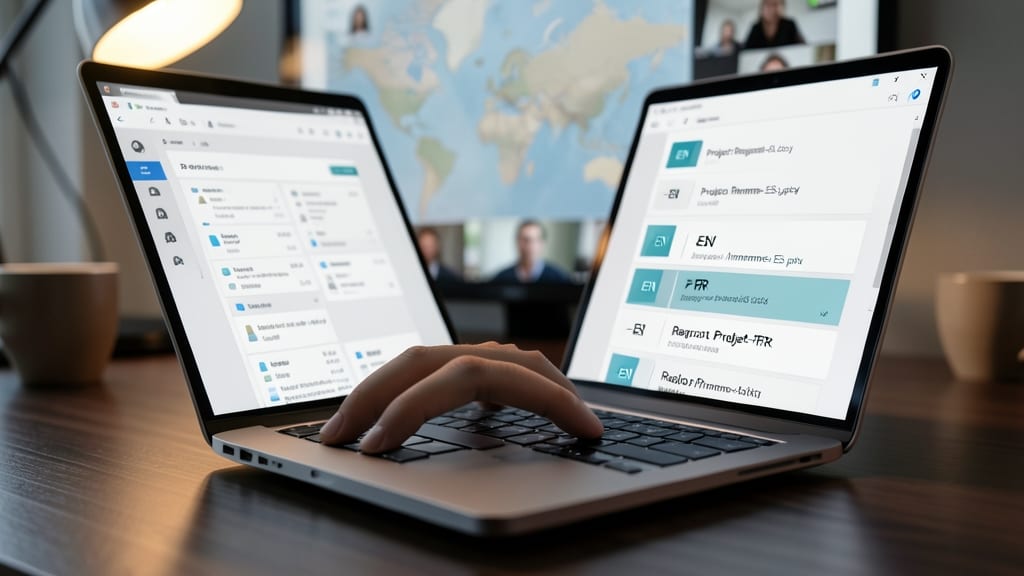
Global teams juggling multiple languages often drown in file chaos—until they adopt a simple but powerful trick: language-specific suffixes. Adding -EN, -ES, or -FR to filenames instantly clarifies which version of a document your Spanish-speaking partner needs versus your French team.
This convention pairs perfectly with Office 365’s translation tools, letting you translate once and distribute versions without confusion. For example, ProjectProposal-EN.docx and ProjectProposal-ES.docx keep translations organized while maintaining the original filename structure. The suffixes also work seamlessly with SharePoint libraries and OneDrive, where language filters can auto-sort files.
Perfect for multinational corporations, remote teams, or any group collaborating across borders—this method cuts down on "wrong version" emails and keeps everyone on the same page. ✨