
Software
Microsoft SQL Server Management Studio (SSMS) has evolved significantly across versions, introducing powerful tools for database administrators and developers. This comparison highlights key features, improvements, and compatibility differences across the major releases to help you choose the right version for your needs.
SQL Server Management Studio 18.0
If you're managing SQL Server 2019 or Azure SQL databases, SSMS 18.0 is the stable, feature-rich choice for modern database environments. This version bridges on-premises and cloud workflows with seamless integration, making it a standout for professionals balancing legacy and cloud-based systems.
Key highlights include full support for SQL Server 2019, including IntelliSense improvements for complex queries and enhanced performance insights via the Query Store. The Azure SQL Database tools are now deeply integrated, simplifying hybrid cloud management. Lightweight and optimized, it runs smoothly on modern Windows systems while maintaining backward compatibility.
Perfect for DBAs and developers working with SQL Server 2019 or migrating to Azure, SSMS 18.0 eliminates the guesswork with its polished, cloud-ready toolset. ⚡
SQL Server Management Studio 17.9

If you're managing SQL Server 2017 environments or preparing for migrations, SSMS 17.9 is the last stable version before the jump to 18.0—and it packs some serious automation muscle. This release bridges the gap between legacy systems and modern workflows with deep PowerShell integration, letting you script database operations directly from the IDE.
The standout feature is its enhanced PowerShell scripting support, which simplifies automation tasks like bulk deployments or schema updates. It also maintains full compatibility with SQL Server 2017, ensuring smooth operations for teams still relying on this version. The interface remains polished, with no major UI overhauls that could disrupt workflows during transitions.
This version is ideal for DBAs and sysadmins handling legacy migrations or automating repetitive tasks. It’s the perfect bridge for teams hesitant to upgrade to SSMS 18.0 just yet. ⚡
SQL Server Management Studio 17.8
If you're managing databases across Windows, Linux, and Azure, SSMS 17.8 bridges the gap with seamless cross-platform support. This version introduced Azure Data Studio integration, letting you switch between tools without losing workflow continuity—ideal for hybrid cloud setups where on-premises and cloud databases coexist.
The standout feature is Linux compatibility, allowing you to connect to SQL Server instances running on Ubuntu or Red Hat from a single interface. You also get enhanced query execution plans and improved IntelliSense for JSON data, making it easier to debug complex queries. The lightweight installer (just 1.5GB) ensures quick deployment without bloating your system.
Teams working with mixed environments—like developers using Linux workstations but relying on Windows-based SQL Server—will find this version a game-changer. It’s also the go-to for Azure Data Studio users who need SSMS’s advanced features without switching tools. ✨
SQL Server Management Studio 17.7
If you're diving into SQL Server 2019 preview features before they became mainstream, SSMS 17.7 was your gateway. This version bridged the gap between legacy tools and the future of Microsoft's database ecosystem, offering early access to capabilities that later defined SQL Server 2019.
It introduced native support for SQL Server 2019 preview, including experimental features like Intelligent Query Processing and resumable online index rebuilds. The enhanced IntelliSense made complex queries less error-prone by providing smarter autocomplete suggestions, even for intricate stored procedures. Developers working with preview builds could now test cutting-edge functionality without waiting for the final release.
This version was a lifesaver for early adopters and developers testing SQL Server 2019 features before they stabilized. If you were building prototypes or validating new database behaviors, SSMS 17.7 gave you the tools to stay ahead. ✨
SQL Server Management Studio 17.4
If you're running SQL Server 2016 in a legacy enterprise environment, SSMS 17.4 was the bridge you needed to modernize without breaking compatibility. This version focused squarely on smoothing the transition for organizations still relying on older SQL Server installations while introducing subtle but meaningful performance tweaks.
The update delivered optimized query execution plans and reduced memory overhead for large database operations, making it a favorite for teams managing high-transaction workloads without cloud migration. What set it apart was its explicit SQL Server 2016 compatibility mode, ensuring backward compatibility while still supporting newer features like Always Encrypted—a critical security upgrade for compliance-heavy industries.
Perfect for enterprise DBAs and mid-sized businesses upgrading from SQL Server 2014 or earlier, SSMS 17.4 offered just enough modernization to justify the switch without the complexity of newer versions. 💪
SQL Server Management Studio 17.3
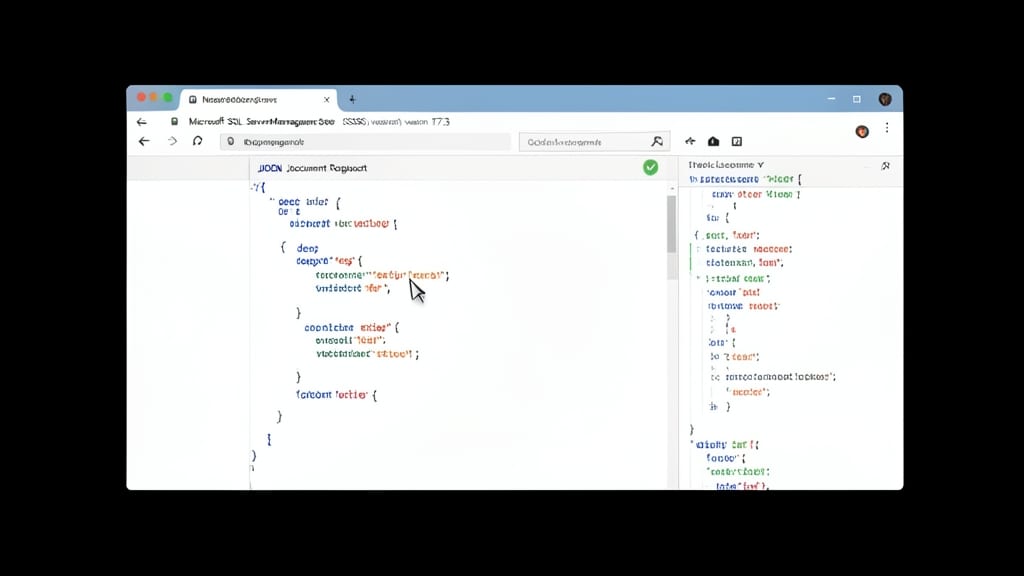
If your web apps rely on JSON data but you’re stuck managing it like a second-class citizen in SSMS, version 17.3 changes the game. This release introduced native JSON document support, letting you edit, validate, and format JSON directly within the interface—no third-party tools required.
The update also refined Azure SQL Database management, adding streamlined connection handling and performance insights for cloud-hosted databases. With schema validation for JSON and improved IntelliSense for semi-structured data, developers can now work seamlessly with modern NoSQL-like workflows while keeping relational integrity.
Perfect for teams building APIs or microservices where JSON is the backbone, this version bridges the gap between traditional SQL and flexible web data models. 💡
SQL Server Management Studio 17.0
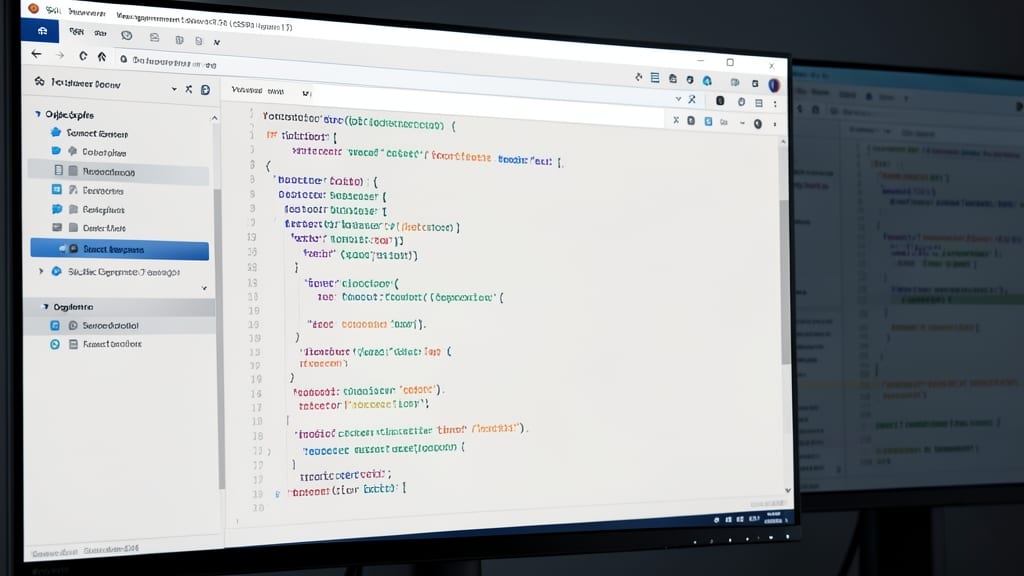
If your team is still using the outdated SSMS interface, version 17.0 marked a visual and functional refresh that finally brought modern tooling to database management. This was the first version to fully embrace the SQL Server 2016 ecosystem while introducing a completely redesigned UI that reduced clutter and improved workflow efficiency.
The ribbon-based toolbar replaced the old menu system, making commands like query execution and table design more intuitive. You’ll also find enhanced IntelliSense (though not as refined as later versions) and better integration with Always Encrypted features introduced in SQL Server 2016. The improved query execution plans and temporal database support further streamlined development for teams migrating from older versions.
This version is ideal for IT administrators and developers transitioning from legacy systems to SQL Server 2016, offering a smoother upgrade path without sacrificing familiarity. ⚡
SQL Server Management Studio 2016

If your organization handles sensitive data and compliance is non-negotiable, SQL Server Management Studio 2016 is the original version built specifically for SQL Server 2016 with enterprise-grade security enhancements you won’t find in earlier releases.
This version introduced Always Encrypted, a game-changer for protecting data at rest and in transit by encrypting sensitive fields automatically—without application code changes. It also added row-level security policies and dynamic data masking to limit exposure of confidential information. The SQL Server 2016 compatibility ensures seamless integration with features like stretch database and query store for performance tuning.
Perfect for healthcare, finance, or government agencies where data privacy regulations like HIPAA or GDPR apply. Its battle-tested setup remains a reliable choice for compliance-focused environments. ✨
SQL Server Management Studio 2014

If you're managing high-speed transaction systems where every millisecond counts, SQL Server Management Studio 2014 introduced game-changing features like In-Memory OLTP—a technology designed to accelerate performance for mission-critical workloads by processing transactions in memory instead of disk.
This version also brought the Query Store, a built-in feature that tracks query performance history, helping you identify regressions and optimize execution plans. Compatible with SQL Server 2014, it was a powerhouse for financial systems, e-commerce platforms, and real-time analytics where latency directly impacts revenue. The AlwaysOn Availability Groups enhancements further solidified its role in enterprise-grade deployments.
Perfect for database administrators and developers working with high-frequency transaction processing, SSMS 2014 remains a battle-tested setup for legacy systems still running on SQL Server 2014. ⚡
SQL Server Management Studio 2012

If you’re a business intelligence (BI) professional who relies on Excel-based data models, SQL Server Management Studio 2012 was a game-changer. This version introduced Power View integration—a visual data exploration tool that turned static reports into interactive dashboards—directly within SSMS, bridging the gap between SQL Server and Excel.
The enhanced PowerPivot support let you import massive datasets into Excel and analyze them with DAX (Data Analysis Expressions) without performance bottlenecks. Combined with SQL Server 2012’s BI Semantic Model (BISM), this version became the go-to for teams blending relational databases with Excel-driven analytics. It also included SharePoint integration, making it easier to publish reports across organizations.
This version is perfect for BI analysts and data modelers who were early adopters of Excel-based analytics before cloud-based tools like Power BI dominated the scene. For those still maintaining legacy systems, it remains a nostalgic yet powerful tool. ✨